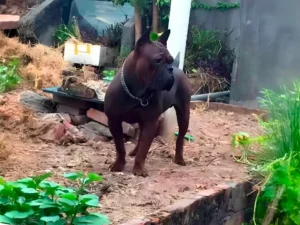
 The Chinese Chongqing Dog is a remarkable and rare breed with roots stretching back over two millennia. Often described as a “living fossil” of dogs, this breed evolved naturally over centuries before humans even began intentional selective breeding. Unlike many modern breeds developed through organized kennel clubs, the Chongqing Dog emerged through necessity — serving as a hunter, guardian, and companion to rural families in southwestern China’s rugged terrain.
Today, this breed is still relatively unknown outside of China compared to familiar names like the Olde English Bulldogge or French Bulldog. However, its rich history, striking appearance, and strong temperament make it a fascinating subject for dog lovers and serious breeders alike.
A Journey Back in Time: Origins and History
The story of the Chongqing Dog can be traced at least as far back as the Han Dynasty (206 BCE – 220 CE). Archaeological finds — including clay dog figurines in ancient tombs — suggest that dogs closely resembling the modern Chongqing were present in the Chongqing and Sichuan regions more than 2,000 years ago.
From Hunting Partner to Household Guardian
For much of its history, the Chongqing Dog was a multi-purpose working breed:
-
Hunting: These dogs were used to hunt small and larger game alike — from rabbits to wild boar — using their keen scenting ability and tenacity.
-
Guarding: At night and during the day, they protected homes and livestock from predators and human threats.
-
Companionship: Unlike many utilitarian breeds, they also formed strong bonds with their human families, offering devoted companionship.
 But throughout the 20th century, this ancient breed faced near extinction. After the Chinese Communist revolution, pet ownership was heavily restricted, and many dogs were culled. Later, the SARS outbreak of the early 2000s led to further losses in the canine population, including many Chongqing Dogs.
Despite these setbacks, revival efforts began in the late 20th century — with native breed organizations, kennel clubs, and dedicated enthusiasts working to preserve the Chongqing’s lineage. Today the breed remains extremely rare, with only a few thousand dogs worldwide — far fewer than many well-known breeds and rarer even than some endangered wildlife species.
What Does a Chongqing Dog Look Like?
Visually, the Chongqing Dog stands out immediately. Built for function rather than fashion, its look is a direct reflection of centuries of natural evolution:
Size and Structure
-
Medium-sized: Typically about 35–45 cm (14–18 in) at the shoulder and weighing 33–55 lbs (15–25 kg).
-
Muscular Body: Compact yet powerful, with a strong chest and well-developed muscles suited for physical tasks.
Distinctive Features
-
Head and Face: Broad head, square muzzle, and prominent facial structure give the Chongqing its dignified, noble look.
-
Coat: Short, stiff, and tight, usually in solid red or dark chestnut hues. Its sparse coat fits the hot, humid climate of its homeland.
-
Tail and Ears: Upright triangular ears and a straight, bamboo-like tail — sometimes even mostly hairless — add to its unique profile.
Unlike many breeds where aesthetics were bred for show rings, the Chongqing’s look is rooted in functionality — built to navigate underbrush, chase prey, and act as a formidable guardian.
Temperament: Loyal, Brave, and Independent
One of the most defining aspects of the Chinese Chongqing Dog is its temperament. These dogs are far from ordinary companions — they are noble, confident, and protective, with a personality shaped by centuries of working alongside humans in challenging environments.
Key Personality Traits
-
Fearless and Alert: These dogs are natural guardians who will vigilantly watch over their family and territory.
-
Loyal to Family: While independent, Chongqings bond deeply with their owners and are devoted, affectionate companions.
-
Cautious With Strangers: They may be aloof or wary of unfamiliar people — a valuable trait in a guard dog but one that requires early socialization.
-
High Prey Drive: Their hunting heritage means they can be triggered by small animals, so training and management are important if other pets are in the home.
Because of their independent thinking, training a Chongqing Dog requires consistency, confidence, and patience. These dogs are intelligent and observant, but they do not respond well to harsh methods or inconsistent leadership. Instead, positive reinforcement and respectful communication yield the best results.
Life With a Chongqing Dog: Care, Training & Lifestyle
Owning a Chongqing Dog is an exceptional experience, but it’s also a responsibility. This is not a breed for the faint-hearted or first-time dog owner — yet, in the right hands, they are loyal partners and lifelong friends.
Exercise and Environment
-
Moderately active: They enjoy daily walks, playtime, and opportunities to explore.
-
Not suited to boredom: Mental stimulation — such as training, games, and enrichment — is important to prevent frustration.
-
Secure spaces: Because of their hunting drive, secure fencing is essential when off-leash.
Grooming
With a short, tight coat, the Chongqing Dog is low-maintenance:
-
Weekly brushing and occasional wiping with a damp cloth are often enough.
-
Baths should be infrequent to avoid drying out their skin.
Regular checks of teeth, ears, and nails are recommended, just like any healthy dog-care routine.
Training and Socialization
-
Early training is critical to establish boundaries and build confidence.
-
Positive reinforcement tools — treats, praise, and play — foster trust and cooperation.
-
Exposing puppies to people, sounds, and situations helps them grow into well-adjusted adults.
Health and Lifespan
While not overly burdened by extreme physical traits, the Chongqing Dog does have general canine health considerations:
-
Average lifespan: Typically around 10–12 years, though some individuals can live longer with excellent care.
-
Common concerns: Skin fold irritation, ear infections, and weight management are notable areas for owners to watch.
Routine veterinary checkups, balanced nutrition, and regular exercise support a strong, healthy life.
Why the Chongqing Dog Deserves More Attention
The Chinese Chongqing Dog is a living testament to the resilience of ancient dog lineages. Rare, noble, and distinct in both form and function, this breed offers a depth of character seldom seen in more common breeds. Its unique history, strong heirloom genetics, and loyal temperament make it a worthy subject for breeders, enthusiasts, and families seeking a devoted guardian and companion.
Whether you are a seasoned breeder or simply appreciate rare canines, the Chongqing Dog stands as a reminder of the diversity and depth of the canine world — a bridge between the dogs of ancient history and the companions of today.